

What is Dry Eye Syndrome?
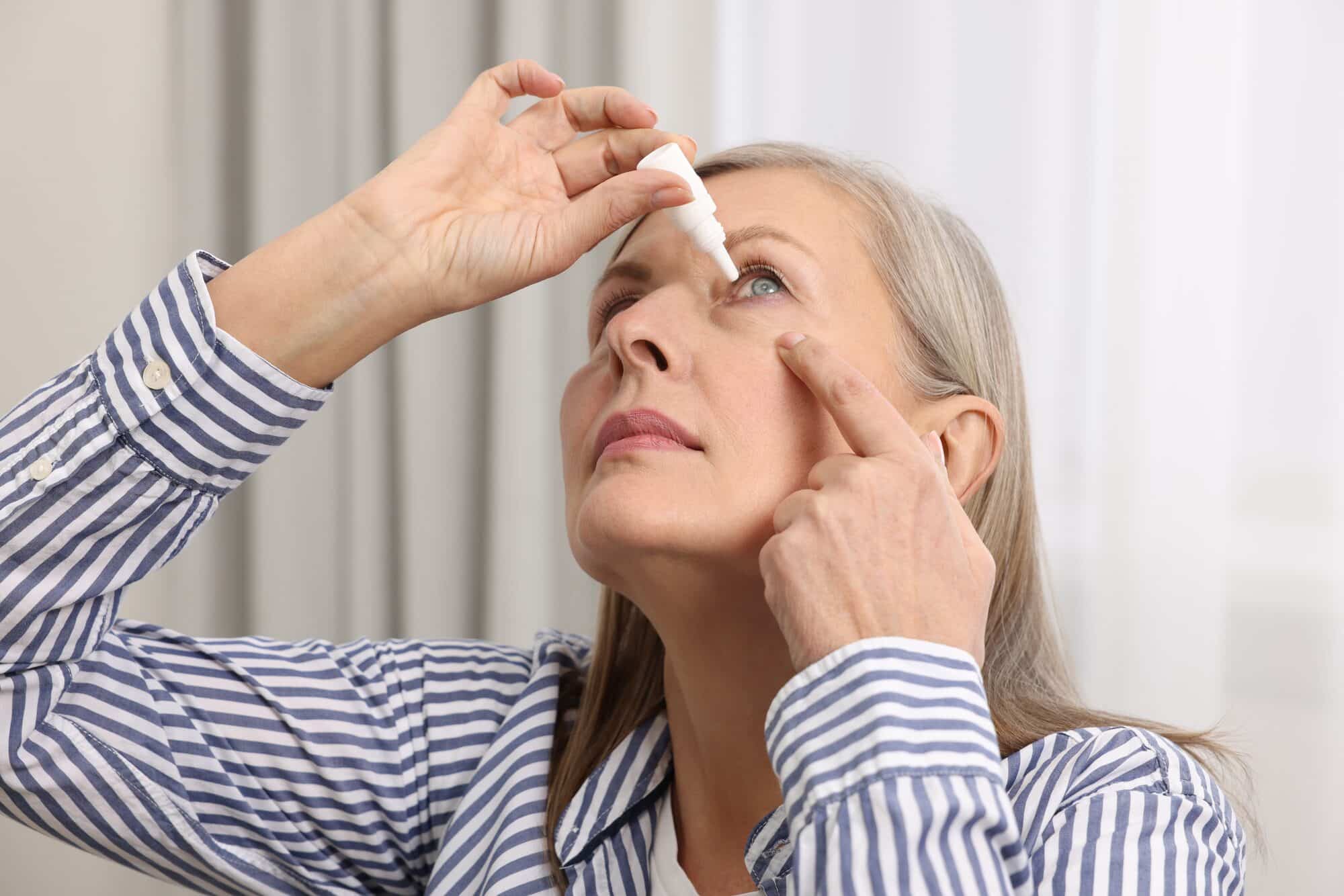
Dry eye syndrome, also known as ocular surface disease, occurs when there is an imbalance between the tear complex, the surface of the eye, and the surrounding environment leading to discomfort, pain, fluctuating blurry vision and other symptoms.
Dry Eye is Not One Disease
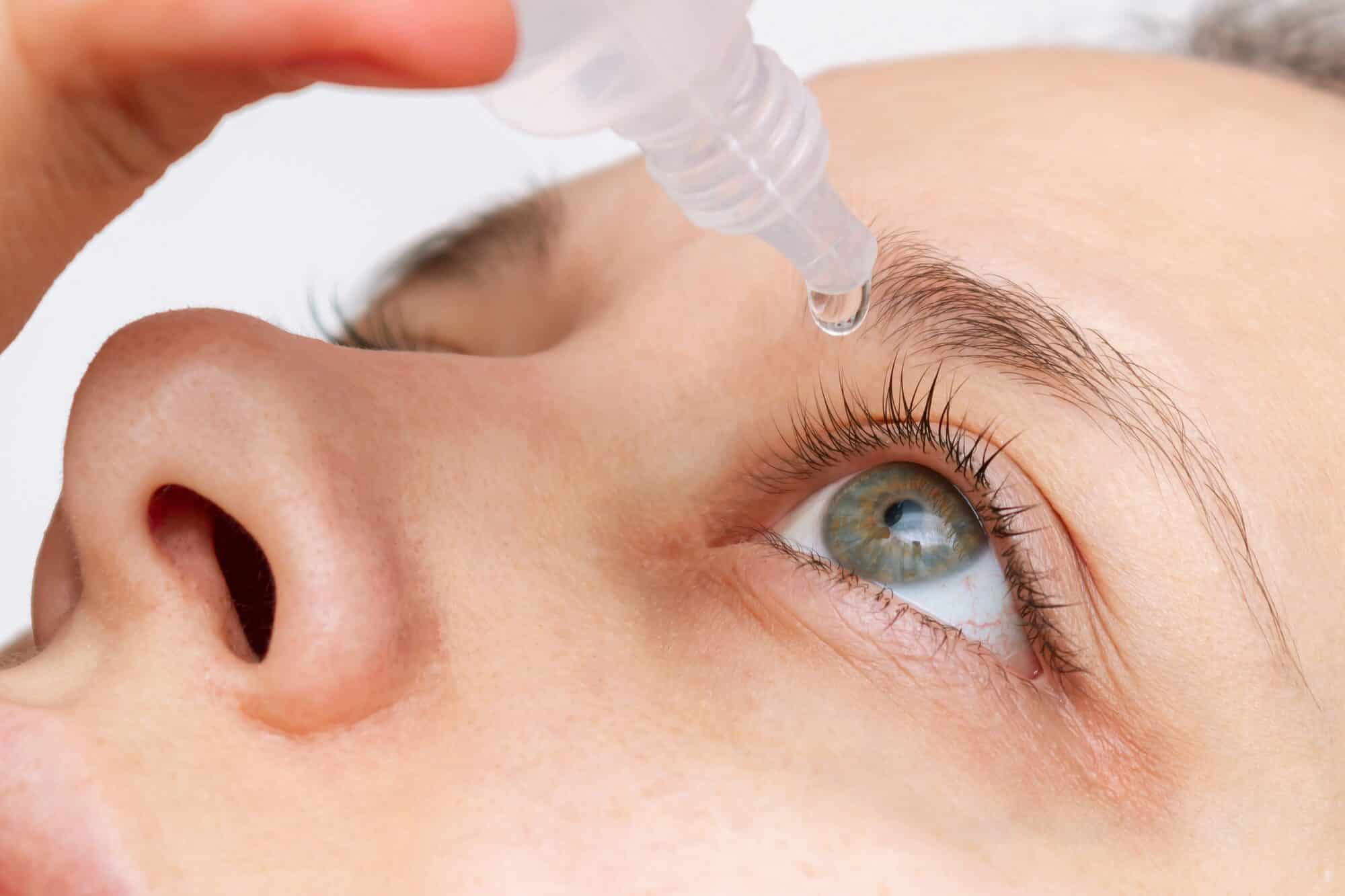
No, dry eyes is a group of disorders that can lead to this imbalance. Below are different types of dry eye disease, but they can also occur concurrently or at the same time as other types in the same eye.
Evaporative
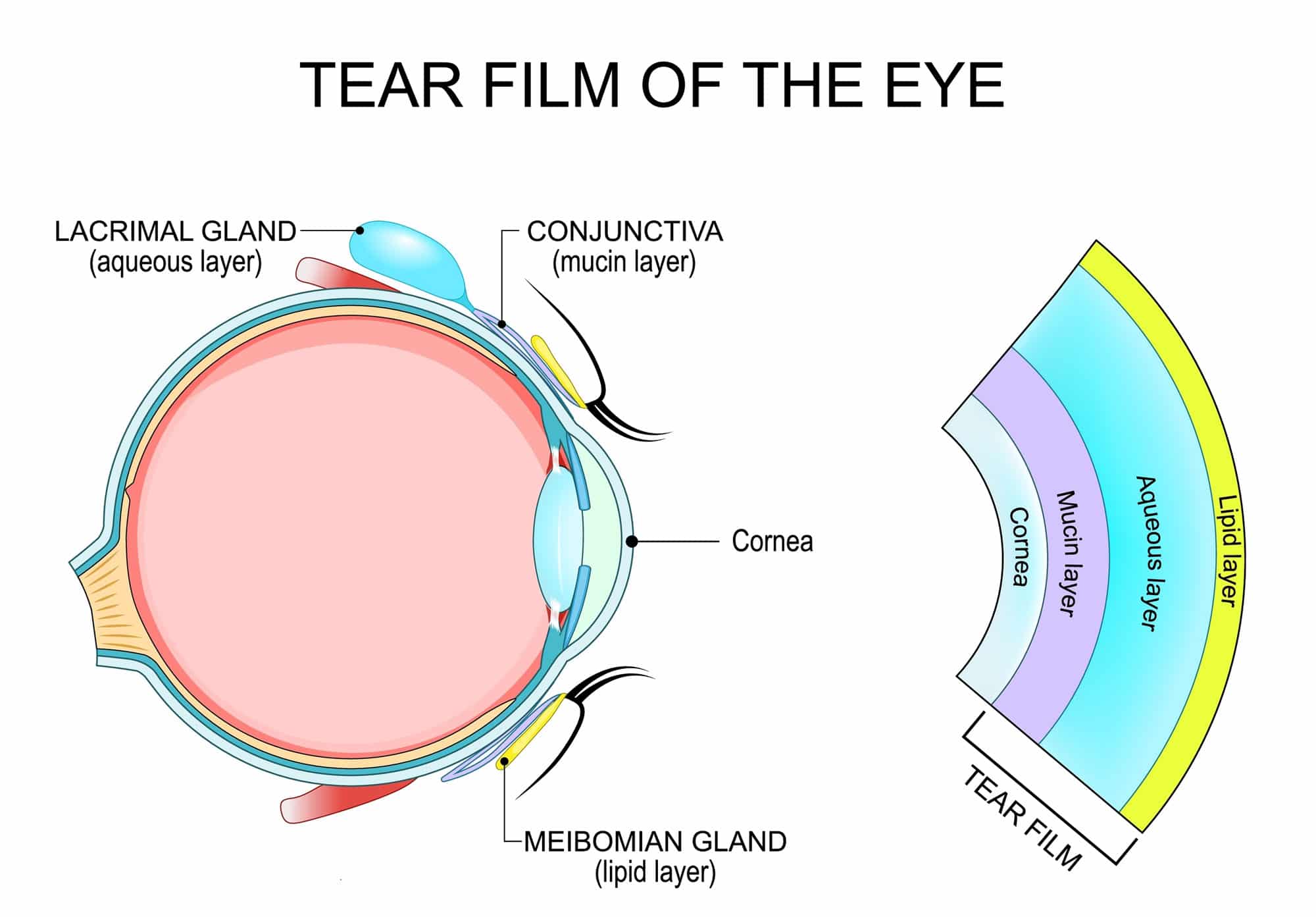
As the name suggests, evaporative dry eye is where the watery component of tears evaporates off the surface of the eye faster than it should.
Tear Deficiency
Caused by a decrease in the amount of tears produced by the eye
Mechanical/Exposure
Issues with eyelid position cause either too much of the eye to be exposed, do not allow the eye to close, or cause the eyelids to be in poor position relative to the eyes themselves.
Demodex
A naturally occurring organism that lives on the skin of other animals (such as humans), can become overgrown on the eyelids leading to dry eyes.
How Dry Eye is Treated
There is some overlap in how the different types are treated, but some types have some specific treatments.
Evaporative: Treatment aimed at improving the oil glands in the eyelids to produce a better quality oil to slow down the rate at which tears evaporate off the eye.
Tear Deficiency: Treatment aimed at increasing tear production
Mechanical: maximizing the health of the ocular surface and possibly performing eyelid procedures to adjust the positioning
Demodex: Medicated eyedrops aimed at elimination of overgrowth of the causative mites
Ready to Schedule Your Visit?
Schedule your appointment today.