


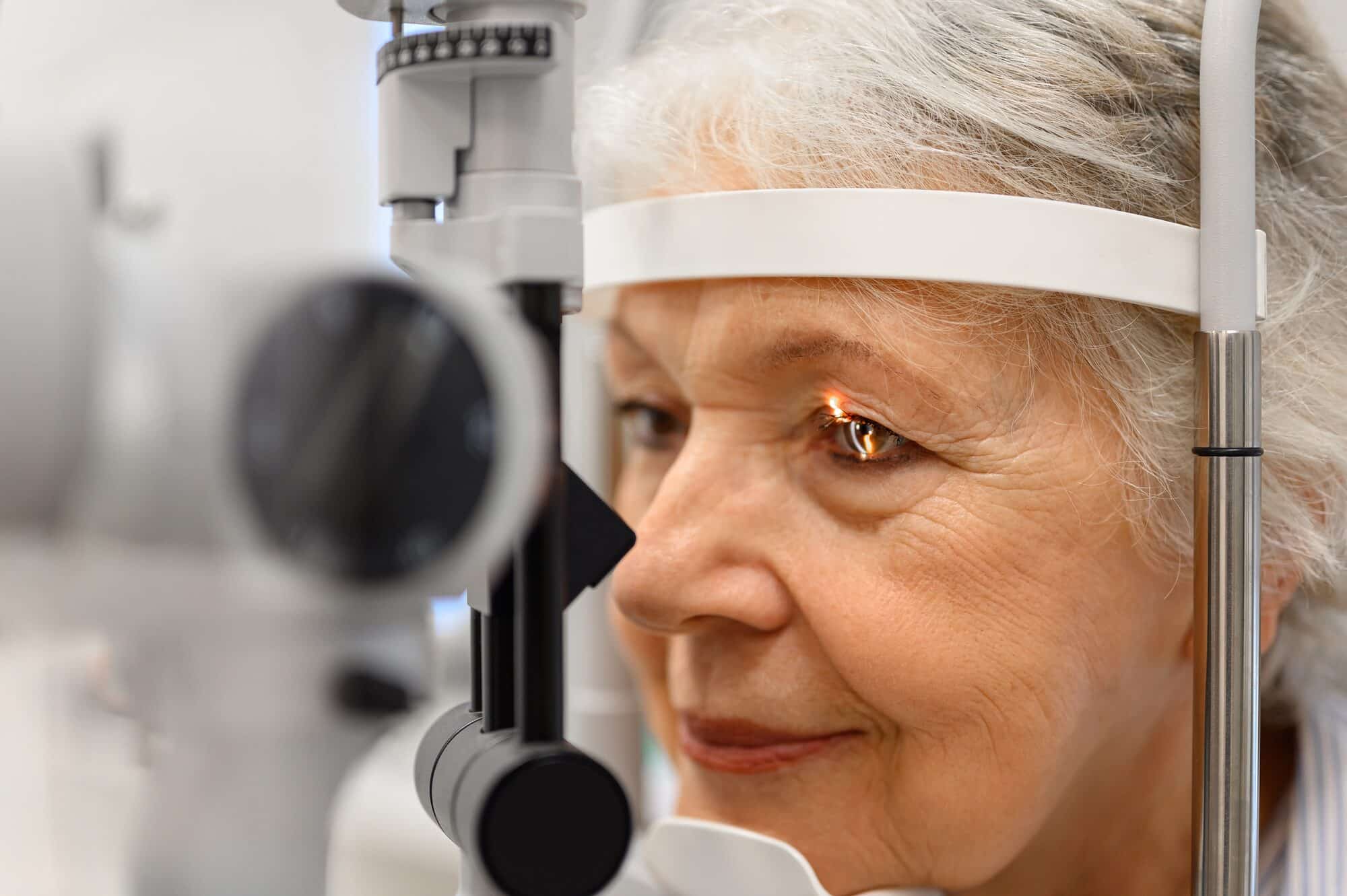
What is Glaucoma?
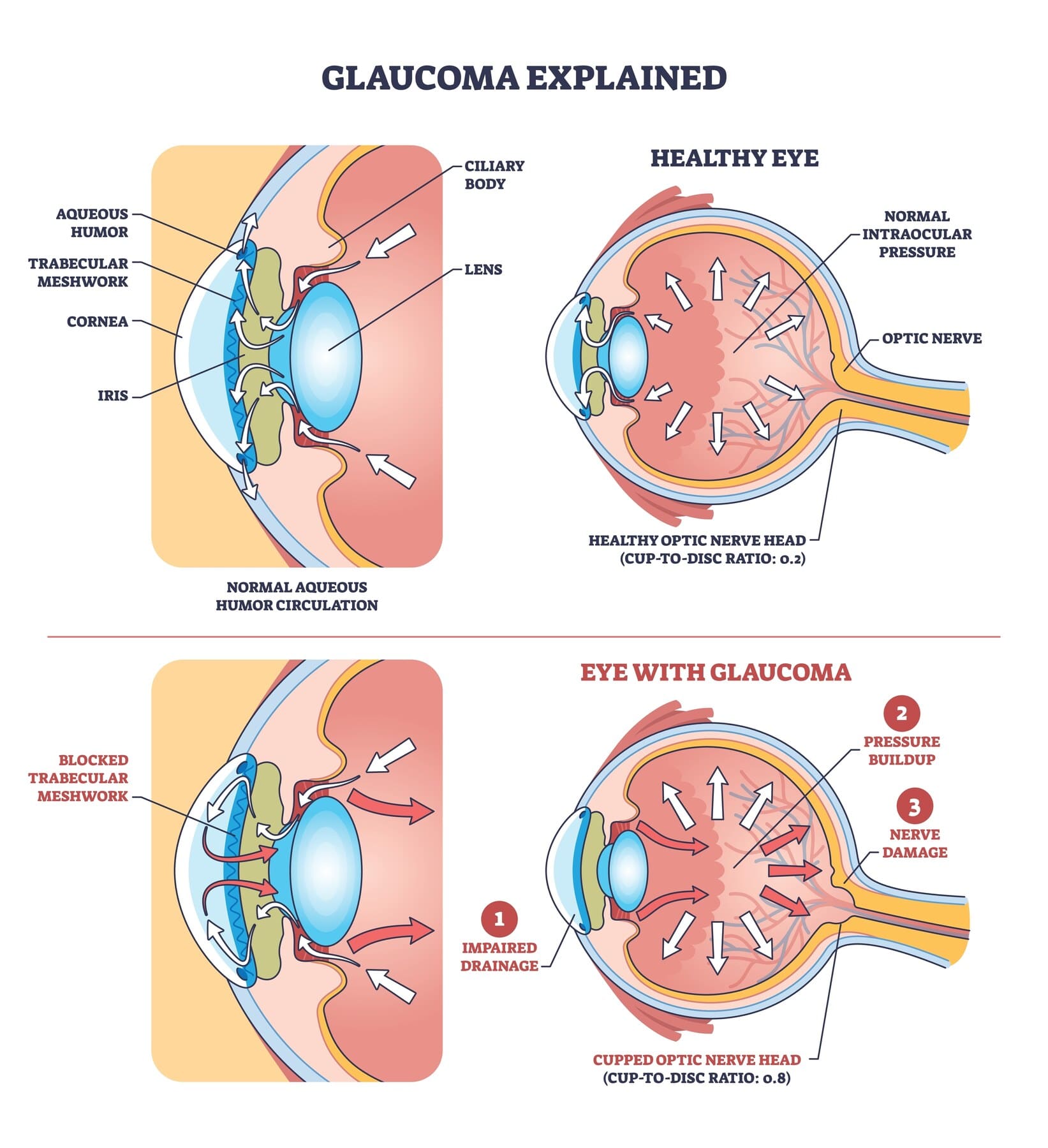
Glaucoma is a group of eye diseases that cause damage to the optic nerve (can be thought of as the cable that connects the eye to the brain) leading to loss of peripheral vision and eventual blindness if untreated.
Glaucoma usually has no symptoms
Also known as “the silent thief in the night,” most forms of glaucoma are asymptomatic. There are a few specific types that present with eye pain, but the most common types have no symptoms until the disease is very advanced and the loss of vision becomes noticeable to the patient.
Diagnosis and Types
How do you get diagnosed with glaucoma if its asymptomatic?
Glaucoma is usually first diagnosed on routine exams. One of the structures evaluated is the optic nerve (again, can be thought of as the cable that connects the eye to the brain), which can look altered or “suspicious” for glaucoma. Once this has been identified, additional testing is performed in the clinic. Based on the results of the testing, someone usually is either labeled as a “glaucoma suspect” or as having glaucoma. A glaucoma suspect is a patient whose nerve looks suspicious or at-risk for glaucoma, but has normal testing, and usually undergoes yearly testing to ensure glaucoma doesn’t develop. In someone with glaucoma, abnormalities will be found on the additional testing performed during an office visit and treatment will be started.
What are the different types of glaucoma and how are they different?
As there are many forms of glaucoma, one of the first things done in the workup is to determine if it is open angle or closed angle glaucoma. What this means is that a special lens is used to examine a structure inside the eye that is otherwise unable to be seen (this structure is where the fluid drains or exits the eye). How much of the drain is able to be seen helps determine the type of glaucoma. In patients with an open angle, the majority of the drain is able to be seen without being blocked by other structures inside the eye. In narrow or closed angle glaucoma, the majority of the drain is blocked by other intraocular structures.
Why does the type of glaucoma matter?
This distinction matters as it changes the way the glaucoma is managed. Patients with narrow or closed angles are at risk of the drain being entirely blocked, leading to a quick increase in eye pressure, which causes pain, decreased vision, and possible rapid blindness if not treated ASAP. In patients with open angle glaucoma, they are not at risk of this rapid loss of vision, and are treated through a variety of different ways.
How is Narrow or closed angle glaucoma treated?
In patients with narrow angles who are young, they are treated with what is called a laser peripheral iridotomy. What this means, is that using a laser, a hole is made in the iris (the colored part of the eye), to allow fluid another means of accessing the drain. In patients who are at high risk or have cataracts, cataract surgery can be used to create more space inside the eye and open up the angles, eliminating the risk of angle closure.
Treating Open Angle Glaucoma
Glaucoma is a group of diseases that are multifactorial. The one variable that we can adjust in glaucoma to slow or halt its progression is the eye pressure, also known as intraocular pressure (IOP). The intraocular pressure is the balance of the fluid made inside the eye as compared to how it drains from the eye. Unfortunately, there is no cure for glaucoma, but there are ways to slow down or halt its progression/advancement through adjusting the intraocular pressure. When explaining glaucoma to patients, I like to compare it to a plumbing problem. One can think about the area that makes the intraocular fluid like a faucet, and the structure that the fluid uses to leave the inside of the eye like a drain. In order to lower the pressure, one can either do something to turn down the faucet, do something to increase the amount of fluid that drains/leaves the eye, or a combination of the two.
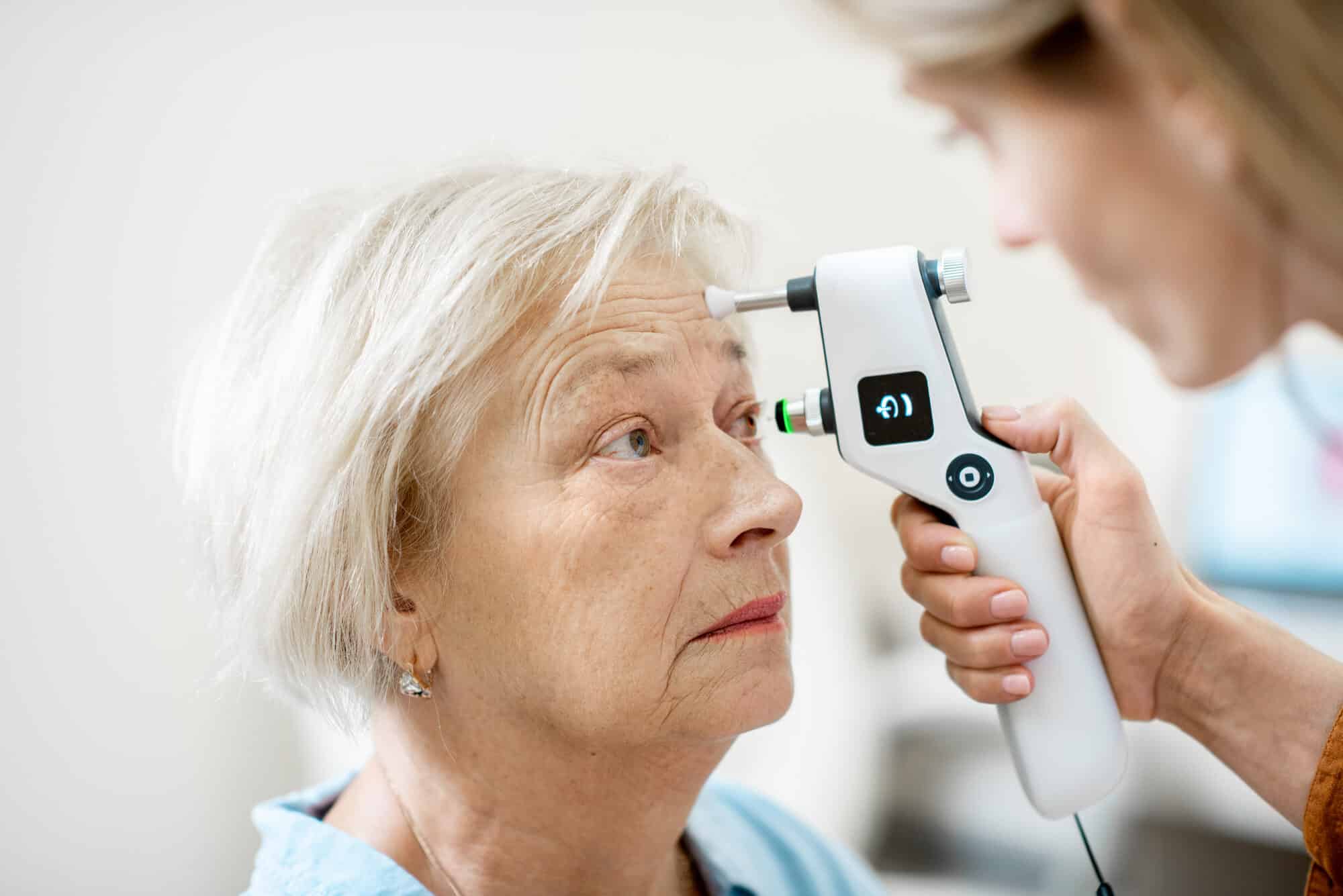
Ways to Lower Eye Pressure
Eyedrops
There are a variety of different eyedrops that can be used to lower the intraocular pressure, either via turning down the faucet, opening up the drain, or both.
Laser
In a procedure called “Selective Laser Trabeculoplasty,” or SLT for short, a low powered laser is used to “tickle” or stimulate the drain inside the eye, which causes it to change shape leading to improved drainage and lower the intraocular pressure. Once considered equivalent to eyedrops, is now considered a better first line treatment as it is associated with a 30% decreased rate of progression over the course of the first year.
MIGS
Or minimally invasive glaucoma surgery, as the name suggests, are quick surgical procedures that help increase the way fluid accesses the drain/leaves the eye. Can be done either at the same time as cataract surgery, or as a stand-alone procedure in patients who have already undergone cataract surgery.
Filtration Surgery
Most involved surgical procedures for those patients with advanced glaucoma to bypass the eyes natural drain to help lower the intraocular pressure.
Outlook
What happens if I don’t treat my glaucoma?
Regardless of the type of glaucoma, if it remains untreated the end result is loss of vision and possibly blindness. Glaucoma is the second leading cause of blindness worldwide.
What is the prognosis for glaucoma?
Even though there is no cure, most forms of glaucoma are very slow moving, to the point where most patients never notice the loss of peripheral vision. Thus, the prognosis is good with good compliance with treatment and timely follow up.
Ready to Schedule Your Visit?
Schedule your appointment today.